At Next Level Supplements, we understand that building muscle is more than just about lifting weights; it’s about strategy, consistency, and smart training. Whether you’re looking to gain size for aesthetic purposes or to improve strength for athletic performance, muscle growth is a journey that requires focus, effort, and knowledge.
If you’re ready to take your muscle-building game to the next level, we’ve compiled 10 essential workout tips that can help you optimize your training and see serious gains. These tips focus on everything from training techniques to nutrition and recovery, all crucial elements in maximizing muscle growth.
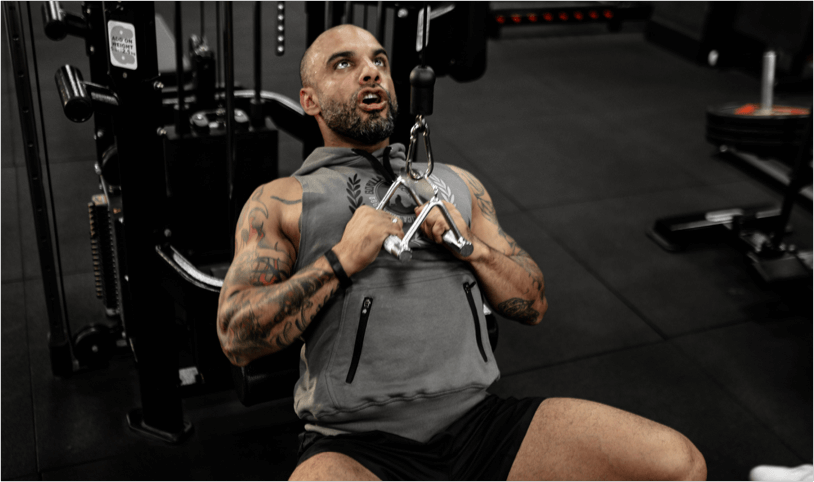
To stimulate muscle growth, you must gradually increase the intensity of your workouts. Progressive overload involves consistently increasing the weight, reps, or sets of your exercises to challenge your muscles in new ways. This constant challenge forces your body to adapt by growing stronger and larger.
How to do it: Increase the weight by small increments (like 5 pounds or 2.5 kg) once you can comfortably complete all your sets and reps. Alternatively, add more sets or increase your rep range to push your muscles further.
Compound exercises—such as squats, deadlifts, bench presses, and pull-ups—are essential for building muscle mass. These movements work multiple muscle groups simultaneously, allowing you to lift heavier weights and engage more muscles.
Why it works: Compound movements trigger a higher release of muscle-building hormones like testosterone and growth hormone, leading to more significant gains in muscle size and strength.
How to do it: Make sure to prioritize compound exercises at the beginning of your workout when your energy levels are highest.
Training each muscle group 2-3 times per week is ideal for maximizing muscle growth. The key is to provide enough stimulus to the muscles while allowing adequate time for recovery.
Why it works: Training a muscle multiple times a week ensures it gets enough volume and stimulation for growth. However, you should balance this with proper rest to avoid overtraining.
How to do it: Split your workout routine into upper body and lower body days, or use a push-pull split. For example, you could train upper body on Monday and Thursday, and lower body on Tuesday and Friday.
No matter how much weight you lift, poor form can limit muscle growth and increase your risk of injury. Proper form ensures that you’re targeting the right muscles and working them through their full range of motion.
Why it works: Proper technique helps you engage the correct muscle fibers and prevents compensatory movements, which could lead to injury and stunt your progress.
How to do it: If you’re unsure about your form, ask a trainer to review it or use lighter weights until you feel confident. It’s better to lift lighter and use perfect form than to lift heavy with poor technique.
Eccentric training focuses on the lowering phase of an exercise, where the muscle lengthens under tension. Research shows that eccentric contractions lead to more muscle fiber recruitment, which is essential for muscle growth.
Why it works: The eccentric portion of a lift (like slowly lowering the barbell during a bench press or squat) creates more muscle damage, which leads to greater muscle repair and growth.
How to do it: Slow down the lowering phase of your lifts (e.g., 3-4 seconds) while maintaining control. This added time under tension will intensify the workout and promote muscle hypertrophy.
Volume refers to the total amount of weight lifted during a workout, which is determined by the number of sets, reps, and weight you use. Increasing volume gradually over time is essential for muscle growth because it challenges your muscles with more workload.
Why it works: Higher training volume increases muscle endurance and stimulates muscle fibers, leading to growth.
How to do it: Aim for around 10-20 sets per muscle group per week. Start with moderate volume and gradually increase it as your muscles adapt.
Building muscle is only possible if you provide your body with the right nutrients. Protein is especially important, as it provides the building blocks for muscle repair and growth.
Why it works: Protein helps repair the microscopic tears that occur in muscle fibers during exercise, and it’s essential for muscle recovery and growth.
How to do it: Aim for at least 1.6-2.2 grams of protein per kilogram of body weight daily. Incorporate protein-rich foods like lean meats, eggs, dairy, legumes, and protein supplements. Taking protein after a workout can further enhance muscle recovery.
Muscle growth doesn’t happen in the gym—it happens while you rest. During sleep, your body produces growth hormones and repairs muscle fibers. If you’re not getting enough rest, your muscles won’t have the time they need to rebuild and grow stronger.
Why it works: Sleep is crucial for hormone regulation, including testosterone and growth hormone, which are both essential for muscle repair and growth.
How to do it: Aim for 7-9 hours of sleep per night. Create a sleep-friendly environment by reducing screen time before bed and maintaining a consistent sleep schedule.
Hydration is often overlooked but plays a vital role in muscle function and recovery. Dehydrated muscles can be more prone to cramping and fatigue, reducing the effectiveness of your workouts.
Why it works: Water helps transport nutrients to your muscles and flush out waste products. It also maintains optimal muscle contraction and performance during exercise.
How to do it: Drink plenty of water throughout the day, especially before, during, and after workouts. Aim for at least 3 liters of water per day, depending on your body size and activity level.
While supplements are not a magic solution, they can certainly complement your muscle-building efforts. Quality supplements, such as protein powder, creatine, and branched-chain amino acids (BCAAs), can help you recover faster, increase strength, and promote muscle growth.
Why it works: Supplements can provide your body with the nutrients it needs to support muscle recovery and growth, especially if you struggle to meet your dietary requirements through food alone.
How to do it: Consider adding a high-quality protein powder to your post-workout shake, or try creatine for increased strength and muscle mass. Be sure to choose supplements that are backed by scientific evidence and are free of harmful additives.
Building muscle is a combination of smart training, proper nutrition, recovery, and consistency. By following these 10 workout tips, you’ll be on the fast track to achieving your muscle-building goals. Stay consistent, gradually increase the intensity of your workouts, and remember that muscle growth takes time.
At Next Level Supplements, we’re committed to helping you optimize your training with high-quality products that support your goals. Whether you’re just starting or you’re already a seasoned lifter, these tips, along with the right supplements, will help you build the muscle you’ve always wanted.
So, let’s get to work—your muscles are waiting to grow!